

GLASS TEMPERING
At BG Glass Technologies, we use the Glaston FC500 tempering oven, which produces some of the flattest glass in the industry. With the I-LOOK laser scanner attached, each piece of glass is scanned to ensure the highest quality specifications.
Introduction to Tempering
Tempered glass is annealed glass that has been strengthened through a process of rapid heating and cooling. This process creates surface compression and tensile strength, making the glass significantly more resistant to breakage. If it does break, tempered glass disintegrates into small, less harmful pieces.
Tempered glass also reduces thermal stress and is approximately five times more impact-resistant than non-tempered glass. The tempering process is a mandatory safety requirement in most design specifications and building codes.
The Tempering Process
During the tempering and heat-strengthening process, glass is heated to approximately 600°C – 680°C as it oscillates back and forth within the furnace. This controlled movement helps maintain a flat glass surface.
After heating, the glass undergoes rapid cooling using high-pressure air in the quench section. It is critical to sustain this cooling long enough to prevent the hot glass core from re-heating the surfaces. Uneven heat extraction can cause defects such as bowing or warping.
While in the quench, the glass cools rapidly from 680°C to approximately 40°C. The cycle time depends on the glass thickness and the specific equipment used.
For safety and quality assurance, BG Glass Technologies is SGCC (Safety Glazing Certification Council) certified, ensuring all tempered glass produced meets or exceeds ASTM C 1048 standards.
Benefits of Tempered Glass
Enhanced Strength: Up to five times stronger than annealed glass, offering greater resistance to impact and bending.
Safety: Breaks into small, less harmful pieces, reducing the risk of injury.
Compliance: Meets stringent building codes and safety standards.
In summary, the tempering process strengthens and enhances the safety of glass, making it essential for many applications. Its impact resistance and safety benefits make it a preferred choice in modern construction and design.
Popular Applications for Tempered Glass
Glass Tempering
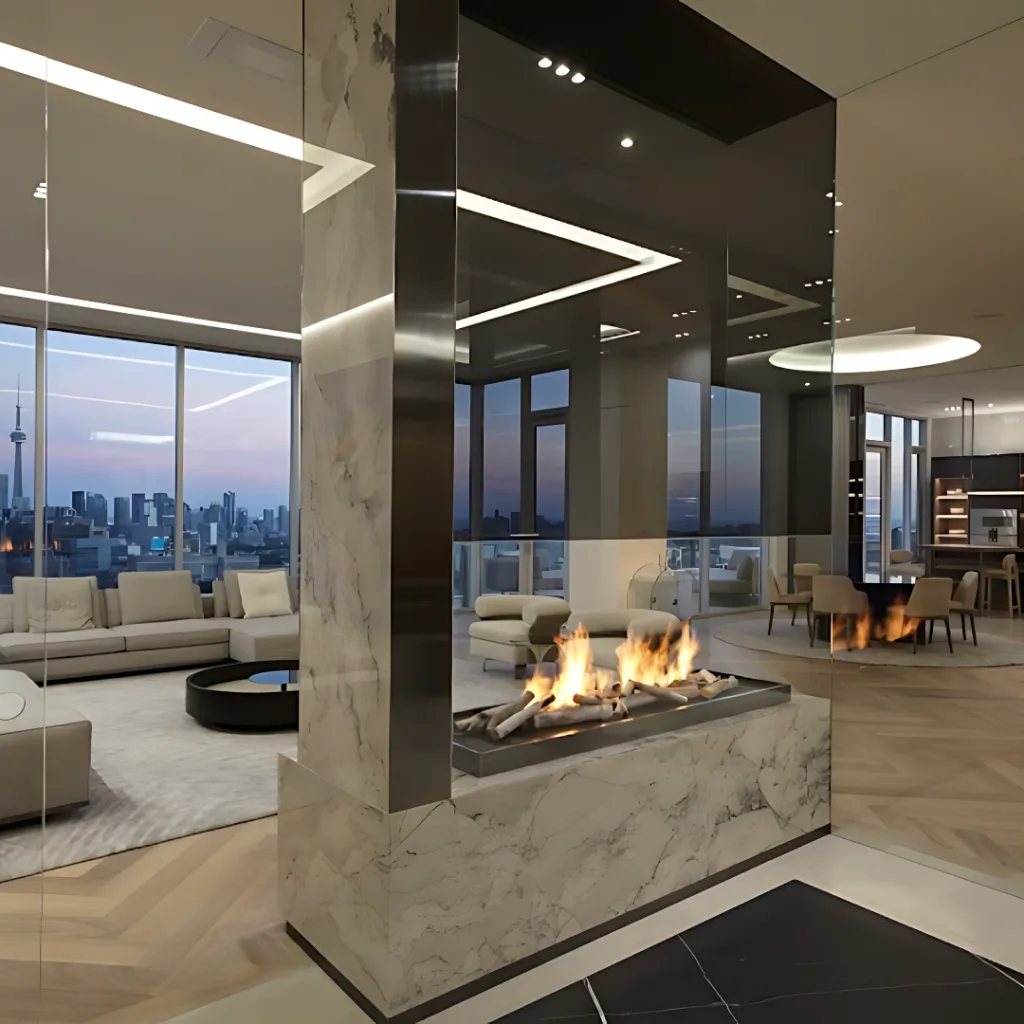
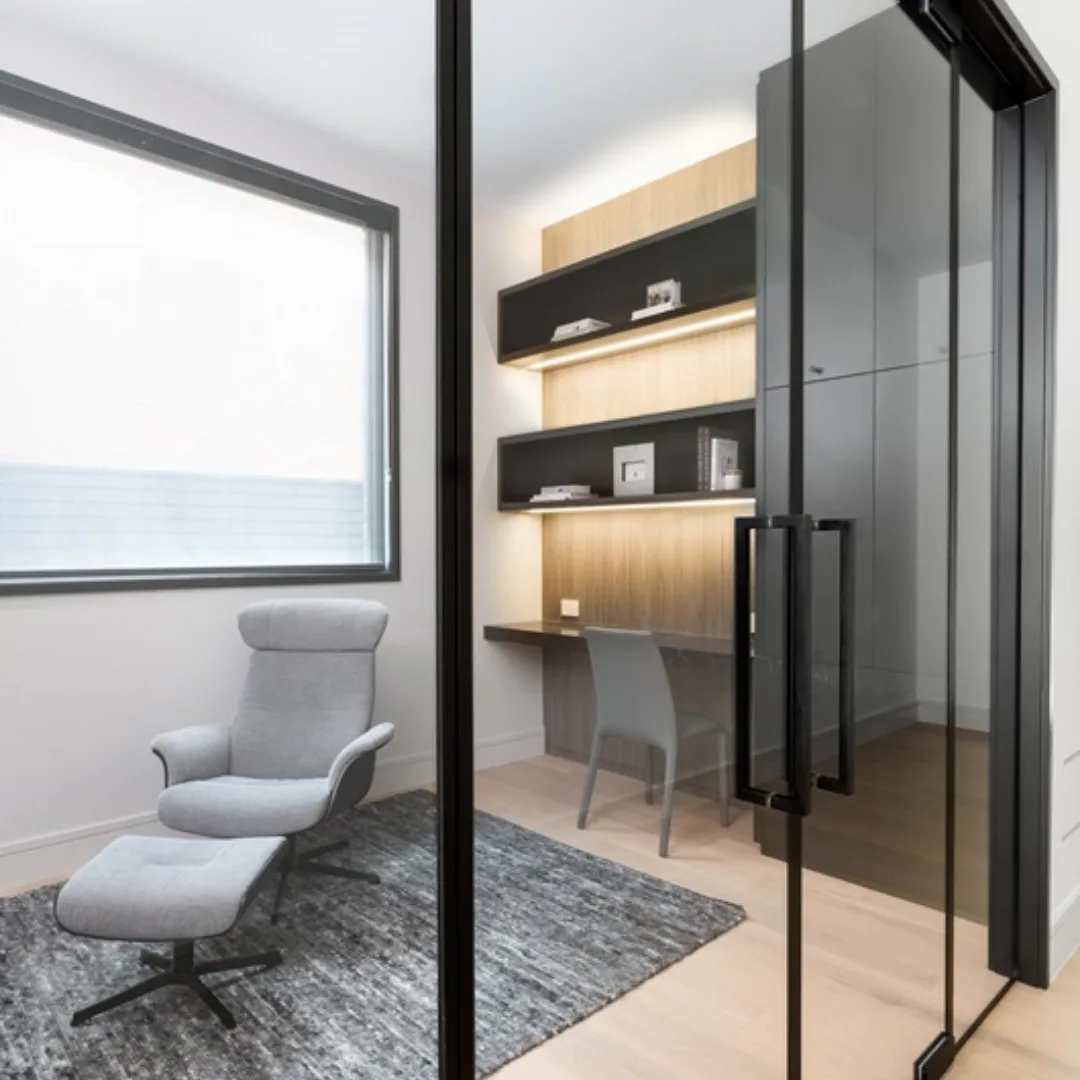
Glass Partitions and Doors: Enhance light transmittance, safety, and privacy for secure, bright spaces.
Shower Enclosures: Offer lasting durability, safety, and a modern aesthetic.
Furniture: Such as: tempered glass tabletops or shelving for enhanced safety and visual appeal.
Glass Railings: Provide an elegant, secure, and reliable barrier solution.
Display Cases: Such as: retail and museum cases for clear visibility and durability.
Capabilities
Tempering available for glass thickness from 4mm to 19mm.
Maximum tempering size: 96” x 168”.
Minimum tempering size: 12” (one dimension minimum).
Glass Tempering Services in Ontario
BG Glass Technologies provides glass tempering and heat strengthening for glaziers, OEMs, railing fabricators and contractors across Ontario. Every panel is cut, edged and drilled before it goes through our tempering furnace, then heated and rapidly cooled to build compressive stress into the surface. The result is tempered glass that is several times stronger than standard annealed glass and breaks into small, blunt pieces instead of sharp shards, which is why it is specified wherever people and glass meet.
Tempered Glass vs Heat Strengthened Glass
Tempered glass is cooled quickly for maximum strength and safety breakage, making it the right choice for doors, shower enclosures, railings, partitions and storefronts. Heat strengthened glass is cooled more slowly. It is stronger than annealed glass but breaks into larger pieces that tend to stay in the frame, so it is often paired with laminated glass for overhead glazing, canopies and facades. Our team can help you choose the right treatment for your drawings and specifications.
What We Temper
We temper clear, low iron glass, tinted, patterned and reeded glass panels, as well as glass that has been CNC cut, drilled and notched or edge polished in our Barrie facility. For applications where spontaneous breakage is a concern, tempered panels can be heat soak tested. Tempered glass can also be laminated, back painted or printed with ceramic frit for decorative and performance needs.
Frequently Asked Questions
Can tempered glass be cut after tempering?
No. Tempered glass cannot be cut, drilled or edged once it has been tempered, so all fabrication is completed first. Send us your final dimensions, hole locations and cutouts and we fabricate every panel to spec before it is tempered.
Do you supply custom cut tempered glass for the trade?
Yes. We supply custom cut tempered glass to glaziers, railing and shower door companies, millwork shops and OEMs throughout Ontario. Request a quote with your drawings and quantities and our team will confirm the details with you.