

Call Us Now
The Glass Fabrication Process Explained
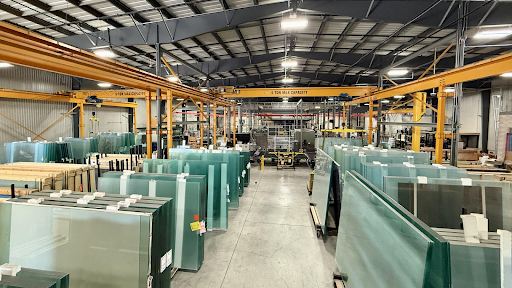
Glass fabrication is a structured process that transforms raw glass panels into components ready for commercial use. Each stage affects accuracy, fit, and how smoothly a project moves from production to installation.
For OEMs, designers, glaziers, and railing contractors understanding this process helps reduce risk and set realistic expectations around timelines and performance.
Raw Glass Intake and Preparation
Fabrication begins with raw glass panels selected based on project requirements such as thickness and application. Panels are inspected and prepared before processing begins.
This stage establishes the baseline for accuracy.
Precision Cutting
Prepared panels move into the cutting stage where glass is sized according to project specifications. Panels may be cut as standard shapes or configured for additional fabrication such as holes, notches, or custom geometry.
Accurate cutting ensures each panel matches the intended dimensions before further processing.
CNC Machining
After cutting, panels proceed to CNC machining where specialized equipment produces hardware cutouts, routing, and complex shapes required for the final installation.
Accuracy at this stage is critical. Even small deviations can lead to alignment or installation challenges later.
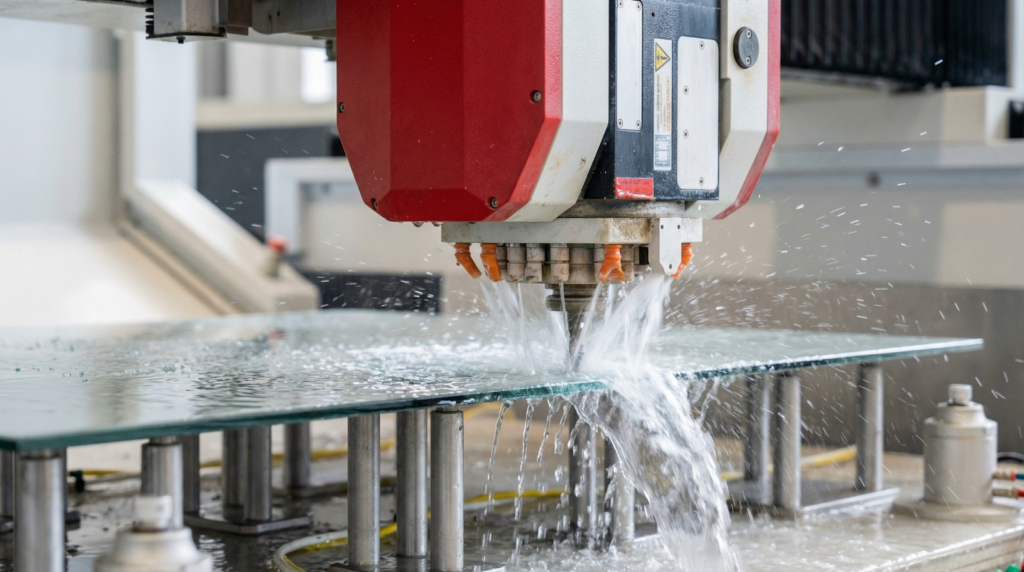
Edge Finishing and Processing
After cutting, glass edges are finished to improve safety, durability, and consistency. Proper edge processing helps reduce stress points and ensures panels handle and install correctly.
This step is especially important for exposed edges and system integrations.
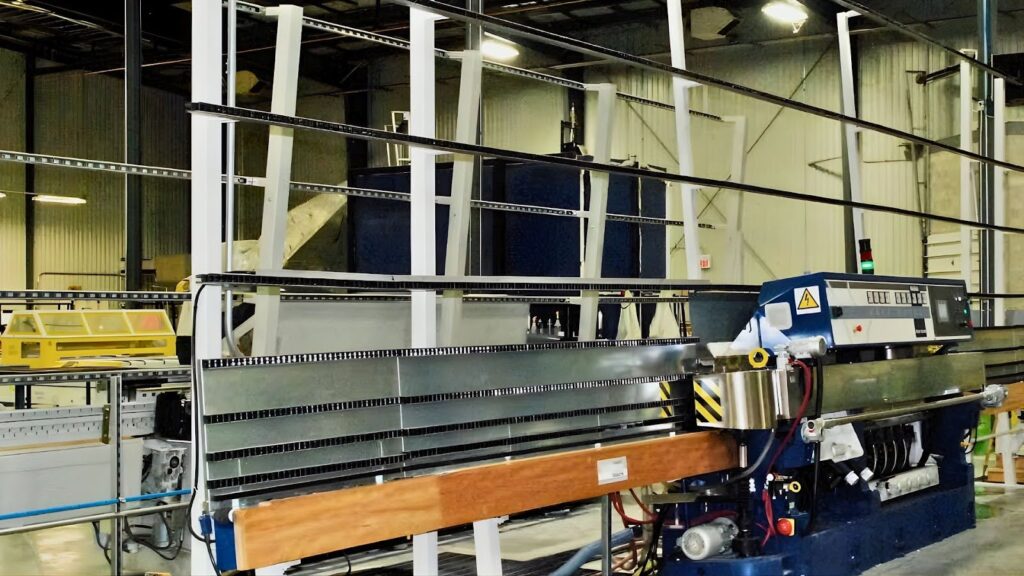
Preparation for Laminating
Panels designated for lamination are carefully prepared to ensure proper bonding between glass layers and interlayers.
Proper preparation maintains dimensional consistency and supports the structural performance required in laminated glass systems.
Preparation for Tempering
Panels scheduled for tempering undergo preparation to ensure they maintain correct dimensions and surface quality before entering the tempering furnace.
This step helps ensure the glass meets the strength and safety requirements expected in commercial environments.
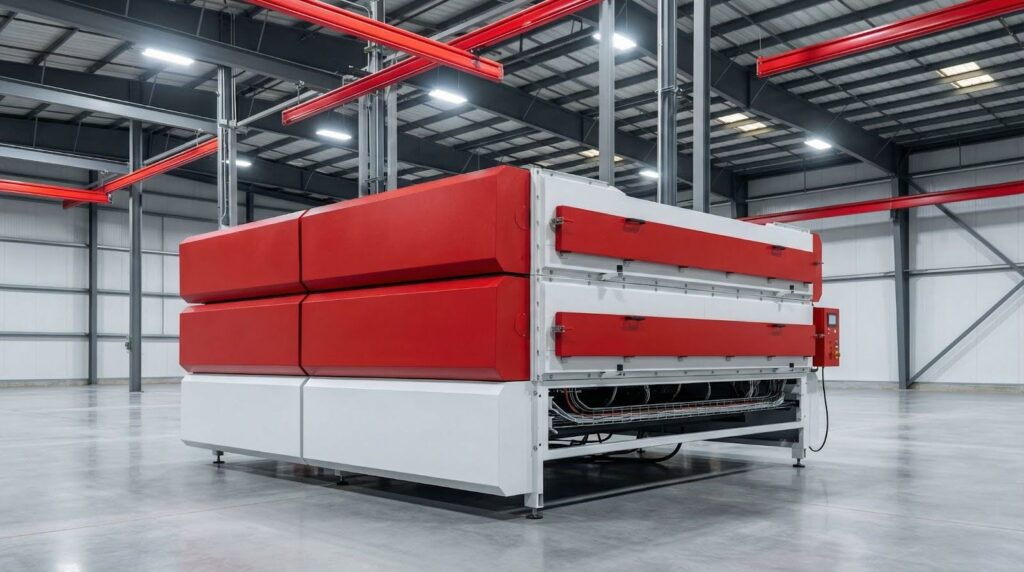
Quality Review Before Next-Stage Processing
Even though every phase goes through a quality check, before glass moves to delivery or further processing, key dimensions and finishes are reviewed again. This helps confirm components are production-ready and reduces the need for on-site adjustments.
Why the Fabrication Process Matters
Each fabrication stage builds on the one before it. When handled with consistency and control, the process supports:
- Reliable fit and alignment
- Predictable lead times
- Fewer installation issues
Understanding the process allows project teams to plan more effectively and avoid preventable delays.
Ready to Discuss Your Glass Fabrication Requirements?
If you’re planning a commercial or residential project and want clarity around fabrication stages, tolerances, or production readiness, early alignment can make a measurable difference.
At BG Glass Technologies, we support OEMs, designers, glaziers, and railing contractors with glass fabrication processes focused on accuracy, consistency, and reliable timelines.
Reach out to BG Glass Technologies to discuss your project requirements.