BGGT

GLASS/MIRROR FINISHES

EDGE PROFILES

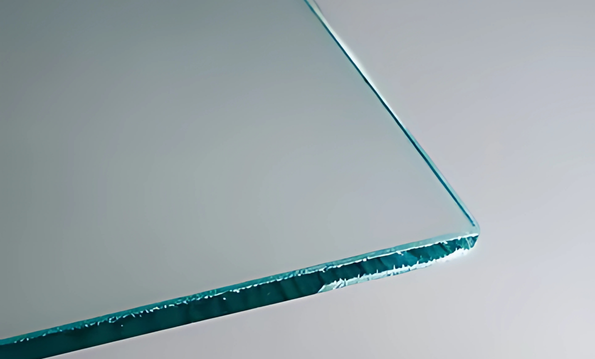
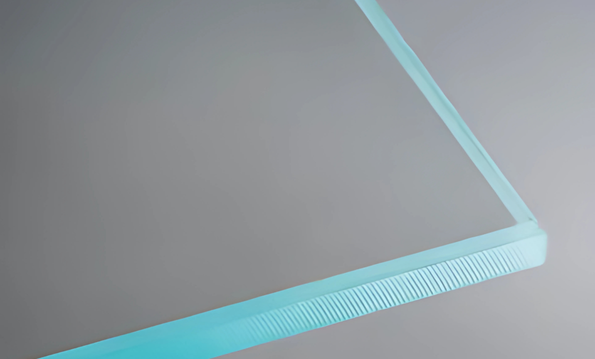
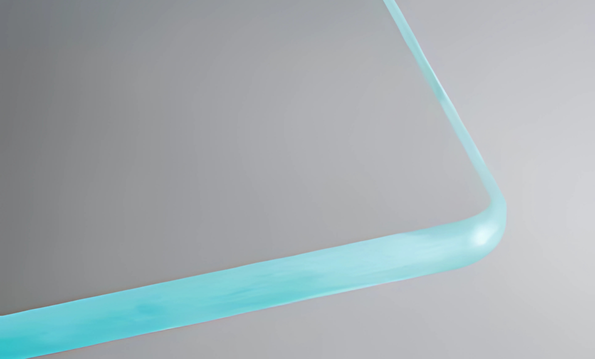
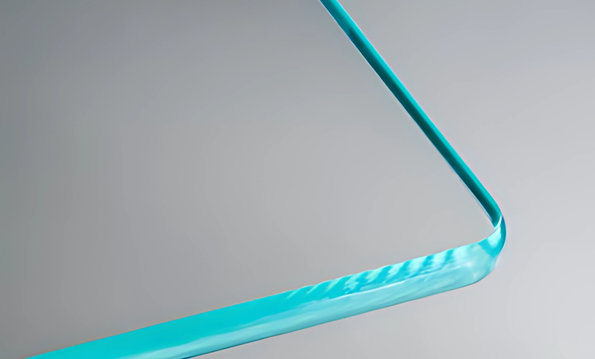
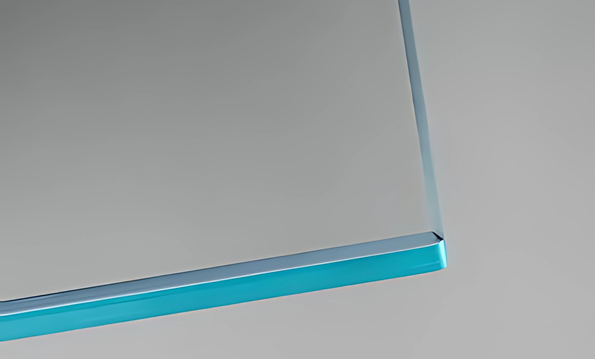
When it comes to edge profiling glass and mirror, there are many options to consider and explore. While the primary purpose of edgework is to eliminate sharp edges for safety reasons, the various types of edging available can also elevate and accentuates the overall appearance of the glass. By refining the edges, it not only strengthens the glass’s structural integrity but also helps prevent chipping and ensures its durability. This meticulous attention to edgework detail adds aesthetic charm and enhances functionality and longevity, making it crucial in glass fabrication processes. See below for standard edge details, more options are available upon request.


Arrised and seamed edge glass finish showing lightly sanded glass edge for safety and clean appearance.

Arrised/Seamed Edge

  • Using a sanding belt, the edges of the glass are lightly sanded to produce a safety edge. These edges are used when edges are covered.

  • Applications: Millwork, cupboard doors etc.

Flat ground edge glass finish with satin-polished edge for reduced reflectivity and clean architectural appearance.

Flat Ground Edge

  • Diamond embedded grinding wheels put a Satin finish on the edge, used when reduced reflectivity is require in the edges.

  • Applications: Glass floors, mirror etc.

Flat polish edge glass finish with high-gloss polished edge for exposed architectural glass applications.

Flat Polish Edge

  • High gloss finish used when edges are exposed.

  • Applications: Doors, partition walls, etc.

Pencil ground edge glass finish with smooth rounded edge for mirrors and automotive glass applications.

Pencil Ground Edge

  • Diamond embedded grinding wheels put a Satin finish on the edge radius in the shape of a C, used when reduced reflectivity is require in the edges.

  • Applications: Automotive, mirrors, etc.

Pencil polished edge glass finish with high-gloss rounded edge for decorative furniture and mirror applications.

Pencil Polished Edge

  • High gloss finish used in more decorative applications.

  • Application: Furniture, Mirrors etc.

CNC polished edge glass finish with high-gloss precision edge for railings, mirrors, and feature wall applications.

CNC Polished Edge

  • High gloss finish used when tolerances are tight or on shapes

  • Applications: Railings, mirrors, feature walls etc.

Mitred edge glass finish with angled high-gloss edge for seamless corner joints and architectural glass applications.

Mitred Edge

  • High gloss finish used in areas where glass meet at angles

  • Available in 22.5° or 45°

  • Applications: Showers, partition walls etc.

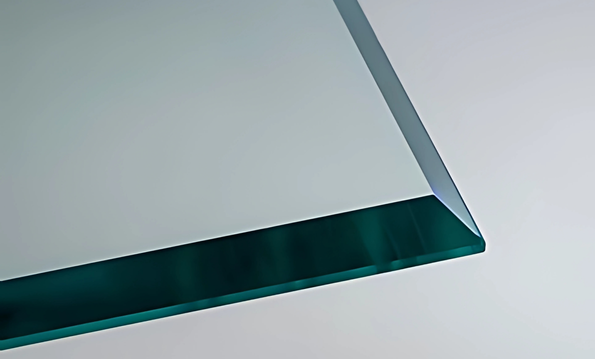
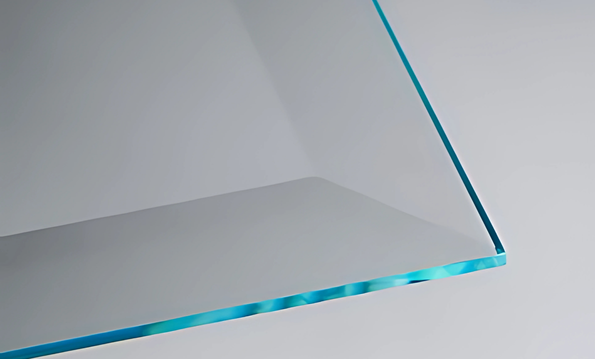
Straight beveled edge glass finish with precision-cut angled polish for custom and architectural glass applications.

Straight Beveled Edge

  • High gloss or satin finish used to add aesthetics to a design

  • Available in ½”, ¾”, 1” and 1 ¼”

  • Applications: Mirrors, tabletops, etc.

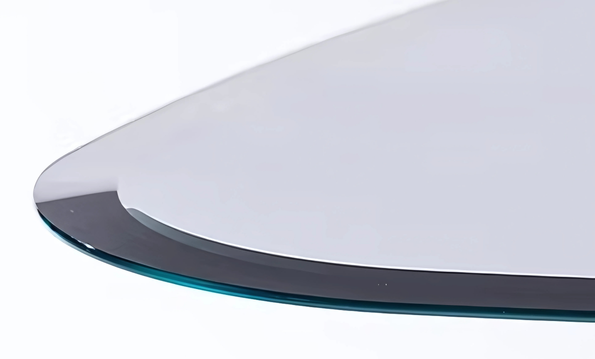
Shaped beveled edge glass finish with smooth angled polish for decorative and custom glass applications.

Shaped Beveled Edge

  • High gloss or satin finish used to add aesthetics to a design

  • Available in any sizes between ½” and 2 ½”

  • Applications: Mirrors, windows etc.

CORNER PROFILES

Standard corner glass finish with clean straight edge detailing for custom architectural glass applications.

Standard Corner

A standard polished corner involves smoothing the edges of glass to achieve a clean and refined appearance; however, despite its commonality, it can pose a risk due to its sharp point on applications such as tabletops. Note: All glass will be fabricated with standard corners unless specified.

Dubbed corner glass finish with slightly rounded edge for safer custom architectural glass applications.

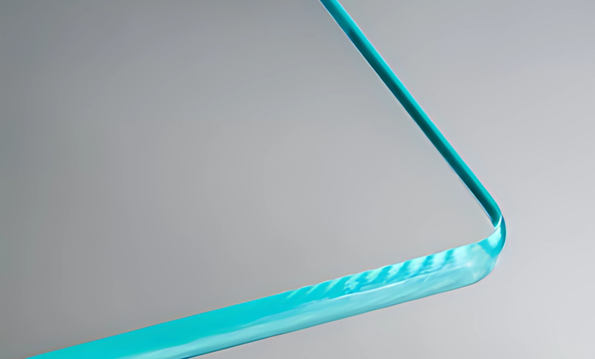
Dubbed Corner

Dubbed corners are created by lightly sanding off the sharp edge by hand, providing a safer alternative, although not as precise as radius corners.

Radius corner glass finish with smooth rounded edge for custom architectural glass panels.

Radius Corner

​Radius corners offer an ideal solution for enhancing both design aesthetics and safety, particularly for exposed corners in railings and tabletops. With sizes ranging from 1/8″ to 8″, they not only elevate the visual appeal of any space or design but also contribute to ensuring safety.