
Call Us Now
Key Factors That Influence Lead Times in Glass Fabrication
In commercial glass projects, lead times are rarely driven by a single variable. Instead, they’re shaped by how decisions are made early, how fabrication stages are coordinated, and how clearly requirements are defined before production begins.
Because of this, understanding lead times means looking beyond production speed and focusing on the conditions that support steady fabrication flow.
Lead Times Start Before Fabrication Begins
To understand fabrication timelines, it helps to start earlier than most people expect.
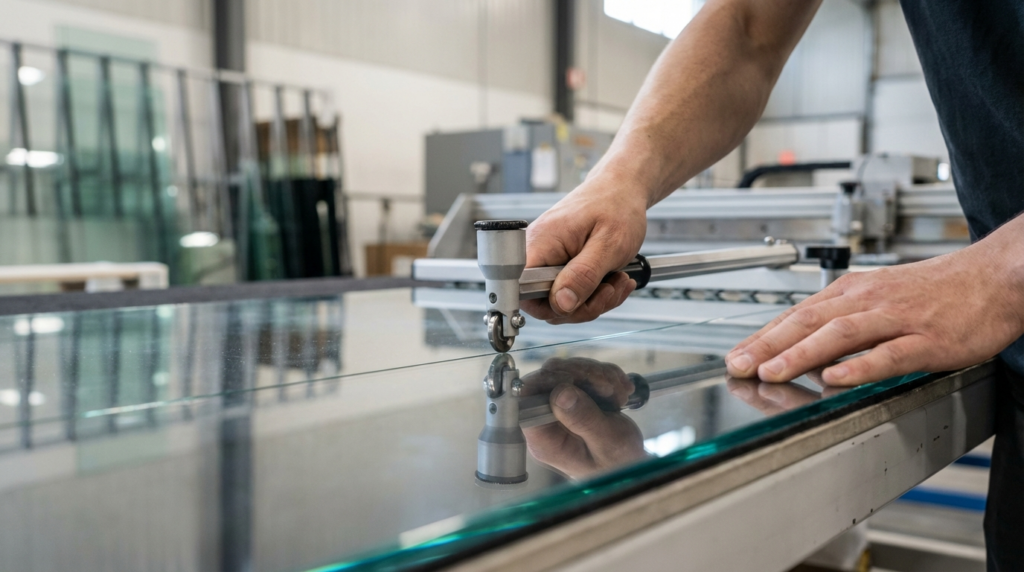
Long before glass enters production fabrication requirements and specification clarity begin influencing the schedule. When these elements are aligned early, fabrication can move forward with fewer interruptions. When they’re not, timelines often tighten later in the project.
As Complexity Increases, Timelines Change
Once fabrication begins, the scope of work becomes the next major influence on lead times.
Panels that require CNC machining, multiple cutouts, or coordinated processing naturally involve more steps and handling. As complexity increases, additional planning is often needed to maintain workflow continuity. This doesn’t mean fabrication slows unnecessarily, but it does mean timelines should reflect the work involved.
Sequencing Often Matters More Than Speed
Beyond individual fabrication steps, the way processes are sequenced can significantly influence lead times.
In many commercial projects, glass moves through machining, edge processing, and preparation for secondary stages such as laminating or tempering. When these stages are sequenced thoughtfully, fabrication maintains momentum. When sequencing is unclear, idle periods can emerge between steps and extend overall timelines.
Coordination Reduces Timeline Friction
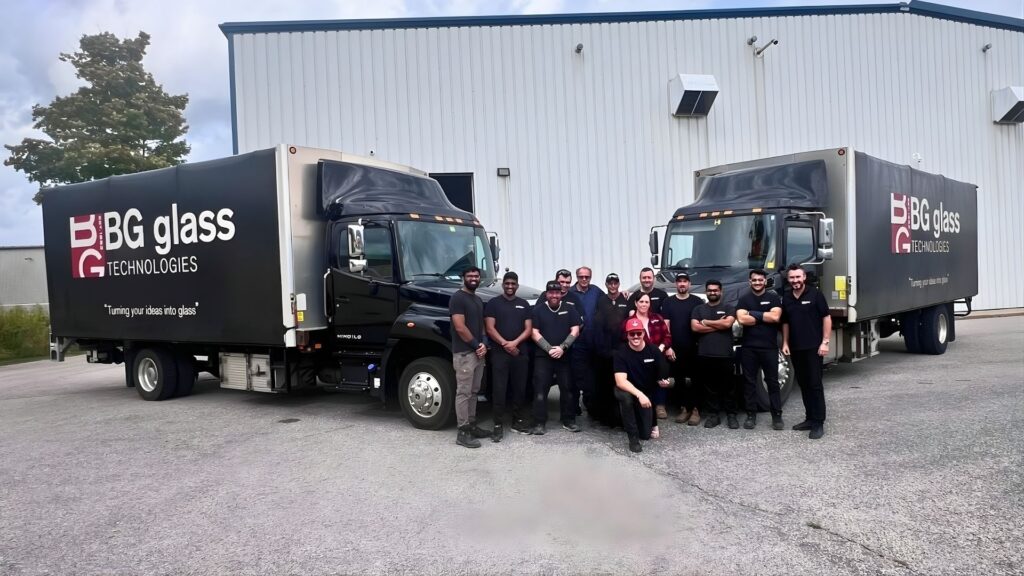
Even with good planning and sequencing, fabrication timelines are affected by how well information moves between all parties.
Incomplete drawings, late revisions, or unclear requirements can pause fabrication while details are clarified. In contrast, early coordination helps maintain progress through fabrication stages and reduces pressure later in the schedule.
How BG Glass Technologies Helps Reduce Fabrication Disruptions
At BG Glass Technologies, fabrication timelines are protected through structure, not guesswork. Projects begin with clear scope alignment and upfront review of drawings and requirements to reduce mid-production interruptions.
Fabrication stages are planned allowing machining, edge work, and secondary processing to move forward without unnecessary pauses.
Throughout production, communication remains direct and consistent, ensuring revisions, clarifications, or scheduling adjustments are addressed early rather than during critical fabrication windows. This approach helps keep fabrication flowing as planned and supports delivery that aligns with broader project schedules.
Why This Matters in Ontario Commercial Projects
Taken together, these factors are especially relevant in Ontario, where commercial projects often involve phased schedules and coordination.
When fabrication timelines are understood early, glass can support the broader construction sequence rather than compete with it. This allows installation windows to be planned more effectively and expectations to remain aligned across teams.
Ultimately, glass fabrication lead times are shaped by decisions, not just production capacity. By understanding how early planning, complexity, sequencing, and coordination influence timelines, project teams can approach fabrication with clearer expectations and fewer surprises.
Planning Ahead for Glass Fabrication Lead Times?
If you’re coordinating fabrication schedules or reviewing requirements for a commercial project, early alignment can support smoother execution.
At BG Glass Technologies, we work with OEMs, glaziers, railing contractors, and designers in Ontario and across Canada to support glass fabrication processes that emphasize coordination, consistency, and reliable timelines.
Reach out to BG Glass Technologies to discuss your glass fabrication requirements.