

Call Us Now
Glass Tempering
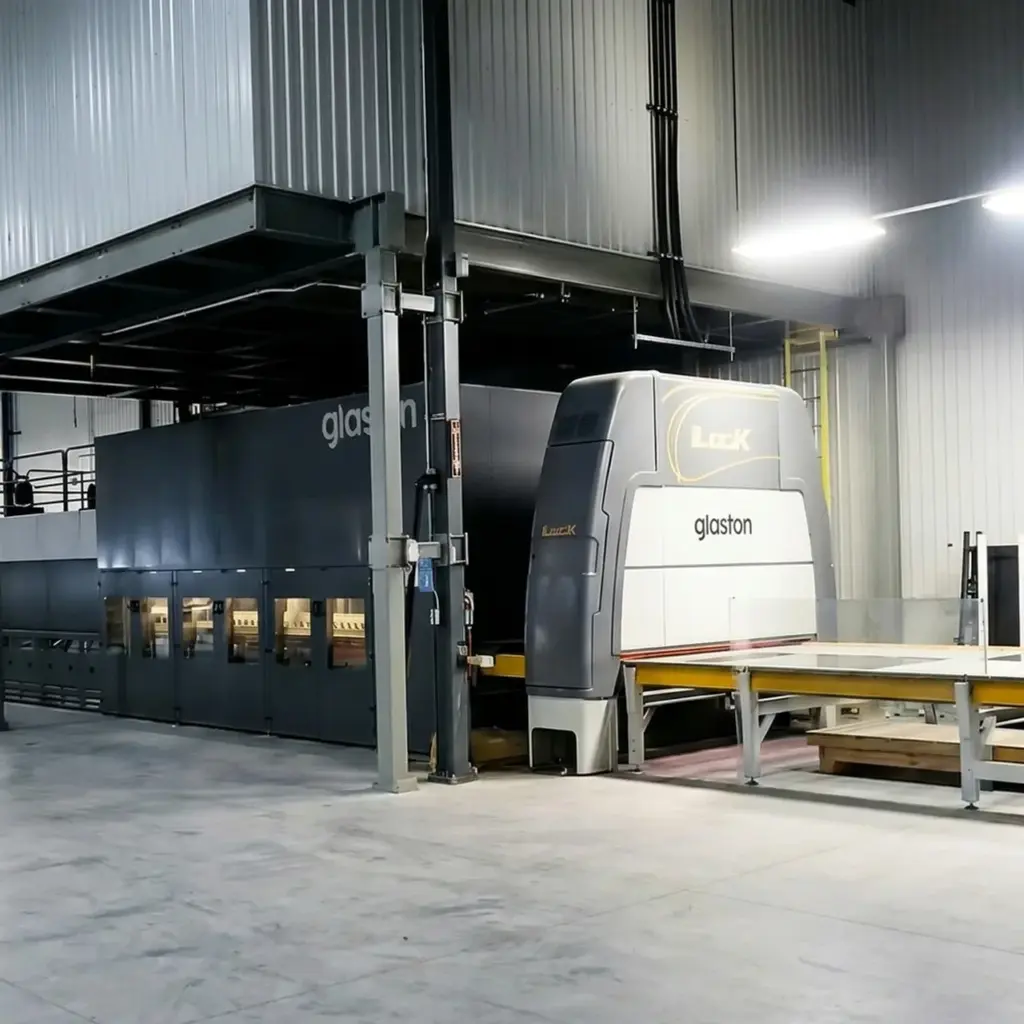
At BG Glass Technologies, we use the Glaston FC500 tempering oven, which produces some of the flattest glass in the industry. With the I-LOOK laser scanner attached, each piece of glass is scanned to ensure the highest quality specifications.
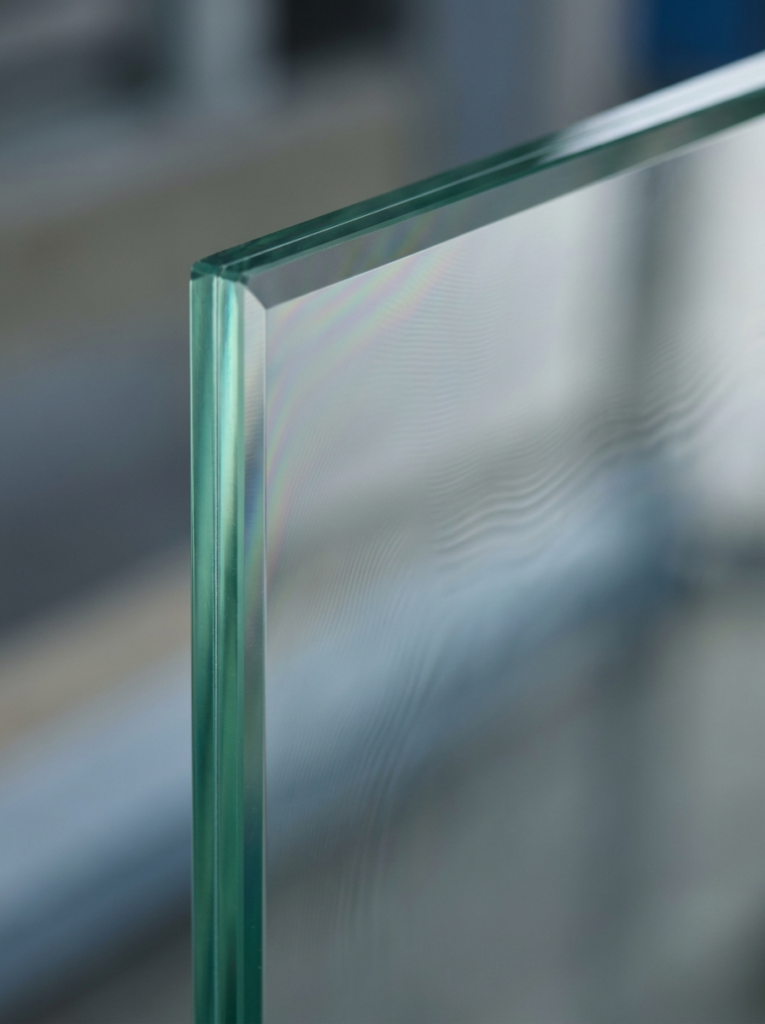
Introduction to Tempering
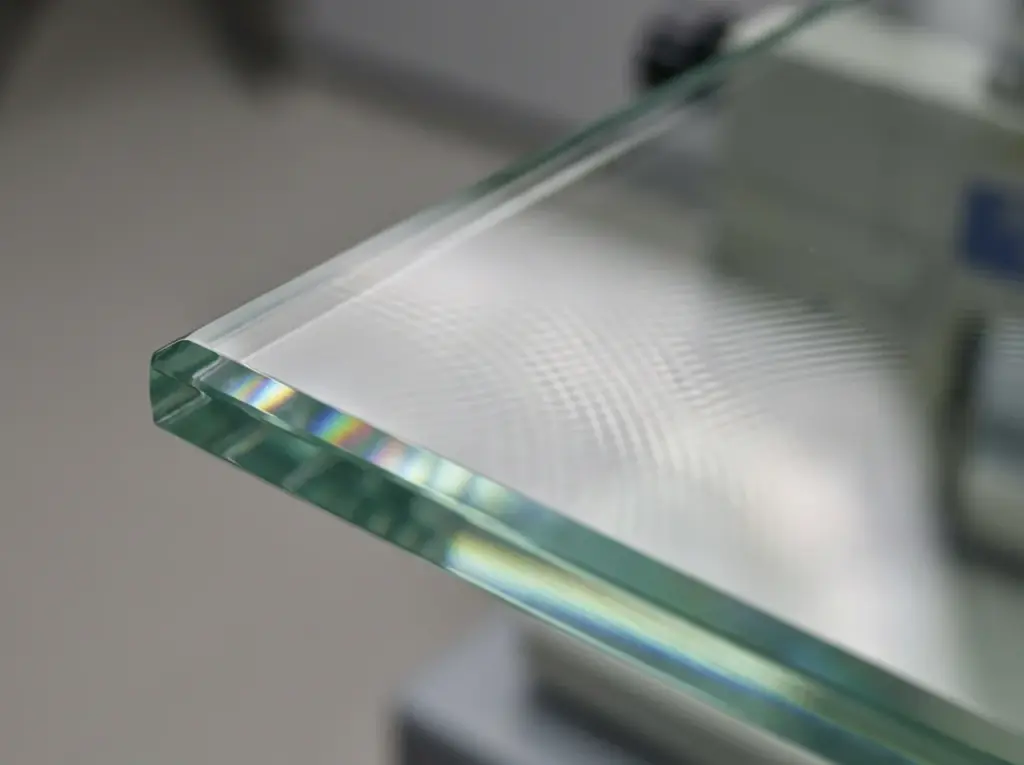
Tempered glass is annealed glass that has been strengthened through a process of rapid heating and cooling. This process creates surface compression and tensile strength, making the glass significantly more resistant to breakage. If it does break, tempered glass disintegrates into small, less harmful pieces.
- Approximately five times more impact-resistant than non-tempered glass
- Reduces thermal stress across the panel surface
- Breaks into small, less harmful granular pieces
- Mandatory safety requirement in most building codes
- Required in most design specifications for architectural glass
- Glaston FC500 oven produces some of the flattest tempered glass in the industry
The Tempering Process
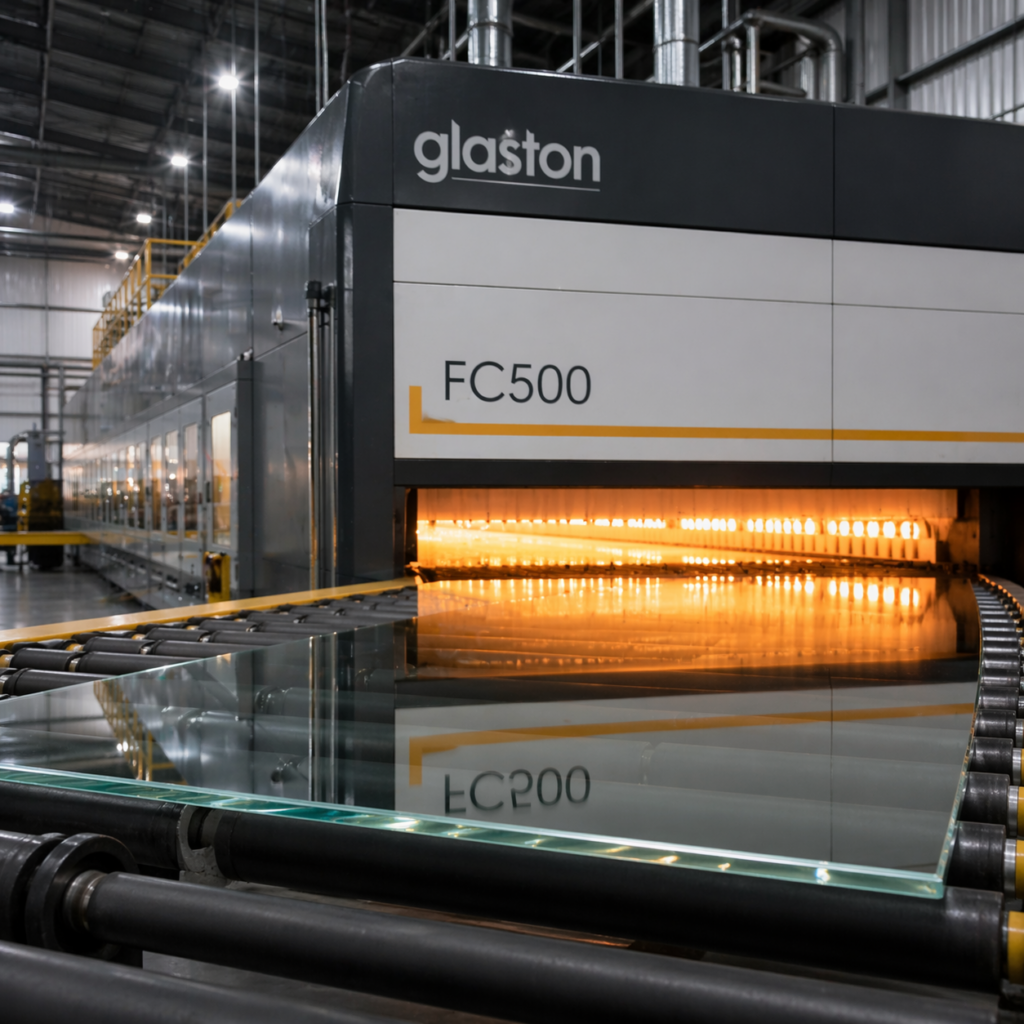
During the tempering and heat-strengthening process, glass is heated to approximately 600°C – 680°C as it oscillates back and forth within the furnace. This controlled movement helps maintain a flat glass surface.
After heating, the glass undergoes rapid cooling using high-pressure air in the quench section. It is critical to sustain this cooling long enough to prevent the hot glass core from re-heating the surfaces. Uneven heat extraction can cause defects such as bowing or warping.
While in the quench, the glass cools rapidly from 680°C to approximately 40°C. The cycle time depends on the glass thickness and the specific equipment used.
Benefits & Applications
Why tempered glass matters.
For safety and quality assurance, BG Glass Technologies is SGCC (Safety Glazing Certification Council) certified, ensuring all tempered glass produced meets or exceeds ASTM C 1048 standards. The tempering process strengthens and enhances the safety of glass, making it essential for many applications.
Enhanced Strength
Safety
Code Compliance
Glass Partitions & Doors
Shower Enclosures
Glass Railings
Furniture
Display Cases
Thermal Resistance
Our Tempering Process, From Raw Glass to Finished Panel
Every panel processed in our Glaston FC500 follows a controlled sequence designed for maximum flatness, consistent strength, and verified quality. The I-LOOK laser scanner checks every piece.
Step 1. Glass preparation and loading.
Glass is inspected for defects, cleaned, and loaded onto the furnace conveyor. All CNC machining, drilling, and edge work must be completed before tempering, as tempered glass cannot be cut or modified after processing.
Step 2. Heating to 600°C – 680°C.
The glass oscillates back and forth within the Glaston FC500 furnace, heating uniformly to the required temperature. This controlled oscillation prevents hot spots and ensures a flat, consistent surface across the entire panel.
Step 3. Rapid quench cooling.
Immediately after heating, the glass enters the quench section where high-pressure air rapidly cools both surfaces. The glass cools from 680°C to approximately 40°C. This rapid cooling creates the surface compression that gives tempered glass its strength. Cycle time varies by thickness.
Step 4. I-LOOK laser scanning and quality verification.
Each tempered panel is scanned by our I-LOOK laser system to verify flatness, surface quality, and compliance with specification. Panels are then staged for delivery or moved to the next stage of fabrication such as laminating or back painting.
Flatness and Quality in Every Panel
The Glaston FC500 is engineered to produce some of the flattest tempered glass in the industry. Flatness matters because even minor bowing or warping creates problems at installation, especially in railing systems, door assemblies, and partition walls where panels sit in tight-tolerance hardware.
The I-LOOK laser scanner verifies every panel for flatness and surface quality before it leaves our facility. You receive glass that meets specification, not glass you have to sort through on site.
The result is tempered glass your install crew can trust. Panels that sit flat in channels, align with hardware, and meet code requirements on the first inspection.
Ready to Temper Your Next Order.
We review your specifications and provide a complete production timeline. Tempering available from 4mm to 19mm, with a maximum size of 96″ x 168″ and a minimum of 12″ on one dimension.